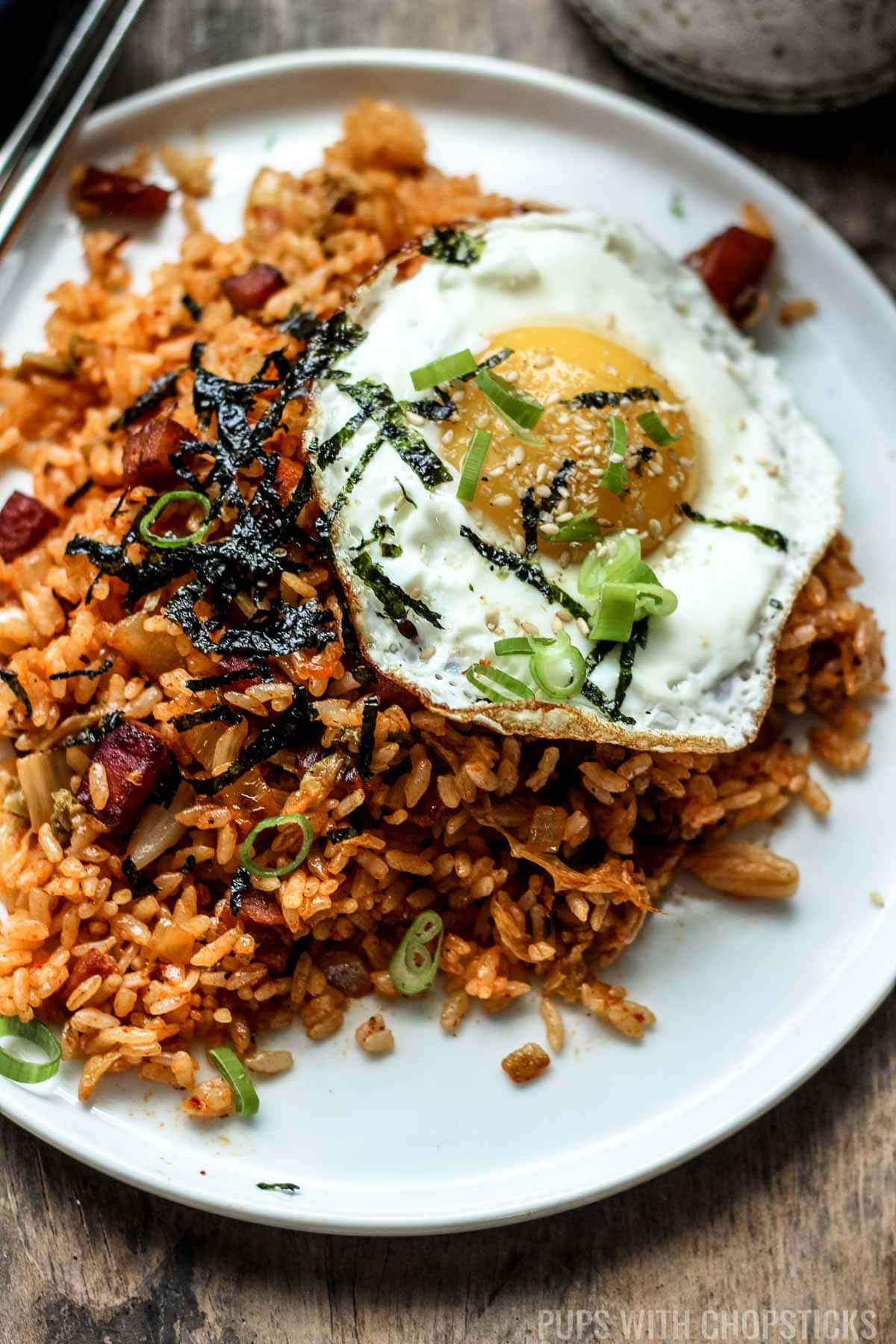
Kimchi Bokkeumbap: Your Go-To Korean Comfort Food Staple
In the vibrant tapestry of Korean cuisine, few dishes resonate as deeply with comfort and versatility as Kimchi Bokkeumbap. More than just a simple stir-fry, this tangy, spicy Korean classic is a testament to the transformative power of humble ingredients. Imagine perfectly sautéed, piquant kimchi mingling with fluffy, day-old rice, infused with savory aromatics, and often crowned with a glistening fried egg. It’s a symphony of flavors that manages to be both profoundly comforting and incredibly invigorating, perfect for any meal of the day.
Often hailed as Korea’s answer to the UK's beans on toast, kimchi fried rice kimchi bokkeumbap is a budget-friendly, lightning-fast meal that has earned its place in countless Korean homes and student dorms. But don't let its simplicity fool you; this dish is packed with layers of sweet, savory, and umami goodness, all anchored by the unmistakable kick of fermented napa cabbage kimchi. Whether you’re seeking a quick breakfast to jumpstart your day, a satisfying lunch, or a fuss-free dinner, this Korean fried rice delivers on all fronts.
The Heart of Korean Cuisine: Understanding Kimchi Bokkeumbap
At its core, Kimchi Bokkeumbap (볶음밥) is a celebration of resourceful cooking, transforming leftovers into something extraordinary. This dish truly embodies the Korean culinary philosophy of maximizing flavor with minimal fuss. While some traditional Korean dishes, like a meticulously prepared bibimbap, might demand significant prep time, kimchi fried rice shines in its straightforward approach and rapid execution – often ready in under 15 minutes!
What makes this dish a standout is the intricate balance of its primary components. The sourness of ripened kimchi provides a zesty counterpoint to the neutral canvas of rice, while aromatics like garlic and onion build a robust flavor base. Unlike many fried rice dishes that might rely heavily on sauces for their depth, the star power in kimchi bokkeumbap largely comes from the kimchi itself, particularly when it's slightly over-fermented, offering a deeper, more complex tang that truly elevates the entire dish.
Moreover, much like a good veggie lo-mein, kimchi fried rice is a fantastic vehicle for clearing out your fridge. Those forgotten vegetables in the crisper drawer, that lonely piece of protein, or even leftover rice from yesterday’s dinner – all find a welcome home in this versatile stir-fry. It's a culinary blank slate, ready to be customized to your taste and what you have on hand, making it not just delicious but also incredibly practical for modern kitchens.
Crafting the Perfect Kimchi Bokkeumbap: Essential Ingredients & Tips
While the beauty of kimchi fried rice kimchi bokkeumbap lies in its adaptability, a few core ingredients form the non-negotiable foundation for an authentic and flavorful experience. Understanding these building blocks and how they contribute to the dish is key to mastering this Korean staple.
The Pillars of Flavor:
- Kimchi: This is the undeniable star. For the best kimchi bokkeumbap, aim for slightly over-ripened napa cabbage kimchi. Its extra fermentation brings a profound depth of sour, umami, and spicy notes that fresh kimchi simply can’t match. Don’t forget to reserve some of the precious kimchi juice – it’s a flavor booster! For vegetarians or vegans, ensure you're using kimchi prepared without fish products (like fish sauce or salted shrimp), or opt for a readily available vegetarian kimchi option.
- Rice: Day-old, cold rice is your best friend here. Whether it's jasmine, short-grain (traditionally preferred), or even medium/long-grain, cold rice prevents clumping and allows for those wonderfully crispy bits as it fries. Freshly cooked, warm rice tends to get mushy. If you're short on time, even thawed frozen cooked rice works wonders.
- Aromatics: A simple yet potent combination of garlic (minced or paste), ginger (minced or paste), green onions, and yellow onion (or shallot) forms the aromatic backbone. These ingredients lay down a fragrant foundation that complements the kimchi without overpowering it.
- Oil: Any neutral cooking oil like olive oil, canola, or vegetable oil works well for the initial sautéing. A drizzle of toasted sesame oil at the end adds an unmistakable nutty aroma and flavor, a hallmark of Korean cuisine.
- Sesame Seeds: White or black, raw or toasted, a sprinkle of sesame seeds provides a lovely textural contrast and an extra layer of nutty fragrance.
- Sugar (Optional but Recommended): Just a pinch can work wonders. It helps to balance the pungent acidity of the kimchi and the neutral starchiness of the rice, creating a more harmonious flavor profile.
Elevating Your Korean Fried Rice: Practical Tips for Success
Achieving that restaurant-quality kimchi fried rice at home is simpler than you think with a few key techniques:
- Chop Your Kimchi Properly: Cut your kimchi into bite-sized pieces before adding it to the pan. This ensures even distribution and makes it easier to eat.
- Sauté the Kimchi First: Don't just toss everything in. Sautéing the kimchi in oil for a few minutes before adding the rice helps to mellow its raw acidity slightly and deepen its flavors, releasing its aromatic oils.
- High Heat is Your Friend: Use a hot pan or wok. This helps to create those desirable crispy bits of rice and prevents the dish from becoming greasy or soggy.
- Don't Overcrowd the Pan: Cook in batches if necessary, especially if you're making a large quantity. Overcrowding lowers the pan's temperature and steams the ingredients instead of frying them.
- The Kimchi Juice Secret: Add a tablespoon or two of kimchi juice along with the chopped kimchi. It amplifies the tangy, spicy flavor and adds a beautiful reddish hue to the rice.
- Balance the Flavors: Taste as you go. A dash of soy sauce can add extra umami, a bit of gochujang (Korean chili paste) can amp up the heat, and as mentioned, a pinch of sugar can perfectly balance the tang.
- The Runny Yolk: A fried egg with a runny yolk on top is non-negotiable for many kimchi bokkeumbap enthusiasts. The creamy yolk coats the spicy rice, adding a luxurious richness that takes the dish to another level of comfort.
Beyond the Base: Popular Add-Ins and Variations
While the base recipe for kimchi fried rice kimchi bokkeumbap is delicious on its own, its true magic lies in its incredible adaptability. This is where you can truly make the dish your own, incorporating proteins, vegetables, and even cheeses to suit your palate and pantry.
Looking for more ways to customize this classic? You might enjoy exploring Quick Kimchi Fried Rice: Easy Recipe for Any Meal for even more inspiration.
Proteins:
- Spam: A classic Korean comfort food pairing, pan-fried Spam adds a salty, savory punch that many find irresistible.
- Pork Belly or Bacon: Diced and rendered until crispy, these add incredible flavor and texture.
- Chicken or Beef: Thinly sliced and marinated pieces can be quickly stir-fried alongside the kimchi.
- Tofu: For a plant-based option, firm or extra-firm tofu, pressed and crumbled or diced, adds a satisfying texture and protein boost.
- Eggs: Beyond the fried egg topping, scrambled eggs can be mixed in for extra richness.
Vegetables:
Almost any leftover vegetable can find a home here. Consider:
- Carrots and Peas: For a touch of sweetness and color.
- Mushrooms: Shiitake or oyster mushrooms add an earthy, umami depth.
- Bell Peppers: Sliced thin for a bit of crunch and sweetness.
- Spinach or Kale: Wilted in at the end for a healthy green boost.
- Corn: Adds a pop of sweetness and texture.
Unique Additions:
- Cheese: A popular modern Korean twist is to melt a slice of American cheese or sprinkle shredded mozzarella over the hot rice just before serving. The gooey cheese beautifully complements the spicy kimchi.
- Seaweed Flakes (Gim-garu): A sprinkle of crushed roasted seaweed adds a savory, oceanic umami and delicate crunch.
- Butter: A small pat of butter can be swirled into the rice at the very end for an extra layer of richness and silkiness.
For those with dietary considerations, remember that kimchi bokkeumbap is inherently gluten-free (just ensure your soy sauce is GF) and incredibly easy to make vegetarian or vegan by simply choosing appropriate kimchi and protein options. Dive deeper into these adaptations with The Ultimate Kimchi Fried Rice: Vegan, GF & Leftover Friendly.
Conclusion
Kimchi Bokkeumbap stands as a testament to the simple joys of Korean cooking – a dish that’s quick to prepare, incredibly flavorful, and endlessly customizable. It’s the ultimate comfort food, capable of bringing warmth and satisfaction with its perfect blend of tangy, spicy, and savory notes. From its humble origins as a student's staple to its current status as a global favorite, kimchi fried rice kimchi bokkeumbap continues to charm palates worldwide. So, the next time you're looking for a quick, wholesome, and profoundly delicious meal, remember the magic of this Korean culinary gem. Gather your ingredients, get creative with your add-ins, and embark on a flavorful journey that promises comfort in every single bite.
