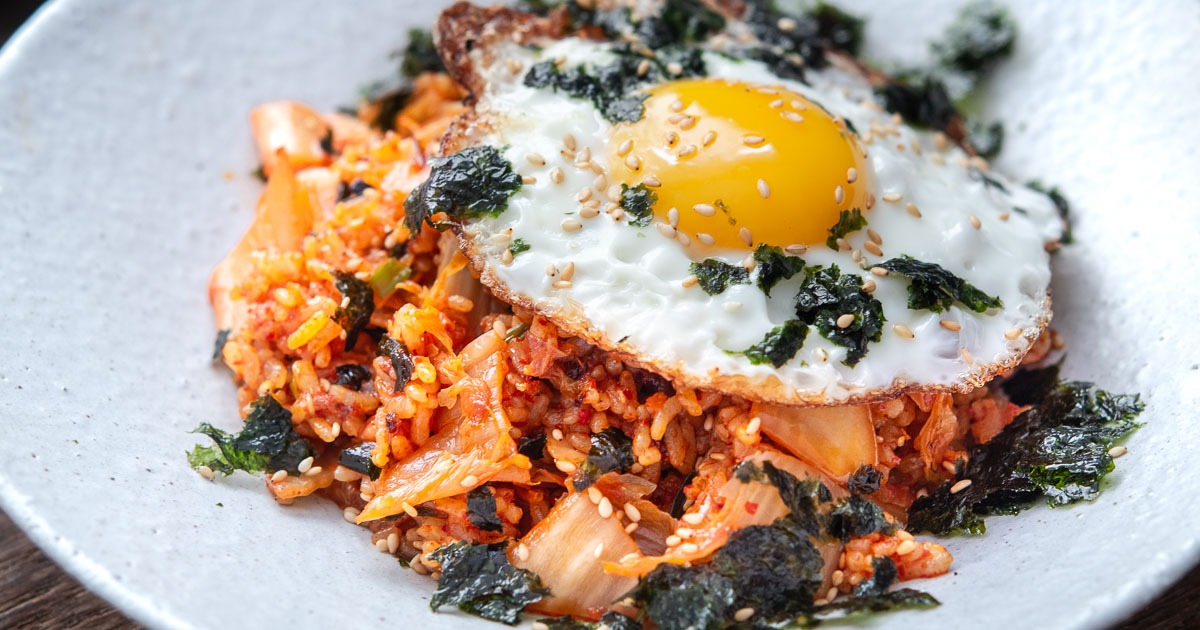
Quick Kimchi Fried Rice: Easy Recipe for Any Meal
In the vast world of Korean cuisine, few dishes capture the essence of comfort, flavor, and sheer simplicity quite like kimchi fried rice kimchi bokkeumbap. This beloved staple isn't just a meal; it's a culinary hug, a quick fix, and a vibrant explosion of taste that can grace your table for breakfast, lunch, or dinner. Forget long hours in the kitchen; this dish promises a satisfying, sour, spicy, and savory experience in a flash, often under 15-30 minutes, making it the ultimate go-to for busy weeknights or lazy weekend mornings.
At its heart, Kimchi Bokkeumbap: Tangy, Spicy Korean Comfort Food, represents the pinnacle of resourcefulness. Much like beans on toast in the UK, it’s a cheap, easy, and incredibly fulfilling dish that has earned its stripes as classic "student food" – though its appeal stretches far beyond dorm rooms. The magic lies in transforming simple ingredients, most notably tangy, fermented kimchi and humble day-old rice, into a harmonious symphony of flavors that truly sings on the palate. Plus, with a few thoughtful tweaks, it’s remarkably adaptable, effortlessly becoming gluten-free, vegetarian, or even vegan to suit diverse dietary needs.
The Irresistible Allure of Kimchi Fried Rice
What makes kimchi fried rice kimchi bokkeumbap such a phenomenon? It's more than just its speed or affordability. It’s the captivating interplay of flavors and textures that sets it apart. The foundational tang and subtle heat of perfectly ripened napa cabbage kimchi provide a vibrant backbone, which is then mellowed and enhanced by fluffy rice and a carefully selected cast of aromatics. Every bite offers layers of tangy, sweet, spicy, and savory notes, creating a dynamic and incredibly satisfying dish.
Beyond its taste, its versatility is a major draw. Unlike more involved Korean dishes such as the complex rainbow vegetarian bibimbap, kimchi fried rice champions simplicity. It's a true "clean out the fridge" champion, perfect for utilizing those leftover proteins, wilting vegetables in your crisper drawer, and, of course, that often-forgotten container of day-old rice. This makes it not only an economical choice but also an eco-conscious one, minimizing food waste while maximizing flavor. Whether you're craving a hearty breakfast, a quick lunch, or a comforting dinner, this Korean fried rice dish rises to the occasion every single time, proving that deliciousness doesn't have to be complicated.
Crafting Your Perfect Kimchi Fried Rice: Essential Ingredients
The beauty of kimchi fried rice kimchi bokkeumbap lies in its relatively short list of core ingredients, each playing a vital role in building its signature flavor profile. Understanding these components is key to creating your best bowl yet:
- Kimchi: The Star of the Show
This is non-negotiable. For the most authentic and flavorful experience, opt for slightly over-ripened napa cabbage kimchi. Its deeper fermentation yields a more intense tang and complexity that fresh kimchi simply can't match. Don't discard the juice from the jar; it's a goldmine of flavor! Many chefs recommend squeezing the kimchi to measure its juice separately, giving you precise control over the dish's moisture and tanginess. For those aiming for a vegetarian kimchi fried rice, ensure your kimchi is prepared without fish products (like fish sauce or salted shrimp paste), or easily find a store-bought vegetarian or vegan option. - Rice: The Unsung Hero
While fresh rice can work, day-old, leftover rice is truly the secret weapon here. The slight dryness of refrigerated rice prevents it from clumping and allows it to achieve that coveted fried rice texture – slightly chewy with individual grains. Traditionally, short-grain rice is preferred for its stickiness, but Jasmine rice (medium-grain) also performs beautifully, as do other medium or long-grain varieties. If you don't have day-old rice, cooked frozen rice, thawed overnight or in the microwave, is an excellent alternative. - Aromatics: Flavor Foundation
Though kimchi brings immense flavor, a simple combination of aromatics elevates the dish. Yellow onion (or shallot), fresh garlic (or garlic paste), and ginger (or ginger paste) form the aromatic trinity, laying a robust foundation. Green onions are also essential, both for sautéing and as a fresh garnish. There's no need to overcomplicate things; these few ingredients are sufficient to enhance the kimchi's primary role. - Oil: The Cooking Medium
Any neutral cooking oil will work well, such as olive oil, vegetable oil, or canola oil. For an extra layer of nutty, deep flavor, a drizzle of toasted sesame oil added at the very end is highly recommended. - Sugar (Optional): The Balancer
Just a pinch of sugar can work wonders in balancing the pungent tang of the kimchi and the neutral starchiness of the rice. It's not about making the dish sweet, but about harmonizing the flavors, bringing out the best in each ingredient. - Sesame Seeds (Garnish): The Finishing Touch
A sprinkle of white or black sesame seeds, raw or toasted, adds a pleasing textural contrast and a final touch of nutty aroma, making your kimchi fried rice look as good as it tastes.
Beyond the Basics: Customizing Your Kimchi Fried Rice
This kimchi fried rice kimchi bokkeumbap recipe is an incredible "base" that invites creativity and customization. It's truly one of those dishes that shines when you personalize it with what you have on hand or what you're craving. Here are some top suggestions to make it uniquely yours:
- Proteins Power-Up:
- Classic Spam: A beloved, iconic addition in Korea, Spam offers a savory, slightly salty punch that complements kimchi beautifully.
- Pork Belly or Bacon: For rich, rendered fat and crispy bits, pork belly or bacon are fantastic. Sauté them first to render the fat, then cook the other ingredients in the flavorful drippings.
- Chicken or Beef: Diced chicken breast or thinly sliced beef (marinated or unmarinated) can be quickly stir-fried before adding the other ingredients.
- Tofu: For a plant-based option, firm or extra-firm tofu, pressed and cubed, then pan-fried until golden, adds satisfying texture and protein.
- Eggs: A fried egg with a runny yolk, placed on top of the finished dish, is a classic and highly recommended addition. The creamy yolk creates a rich sauce that coats every grain of rice. Scrambled eggs can also be incorporated directly into the stir-fry.
- Canned Tuna: A surprising but popular addition, canned tuna (drained) adds a different savory element.
- Veggie Boost:
- Harder Vegetables: Diced carrots, peas, corn, bell peppers, or mushrooms can be added early with the aromatics to ensure they cook through.
- Leafy Greens: Spinach, kale, or bok choy can be wilted in at the very end for a fresh, healthy kick.
- Zucchini: Diced zucchini adds a subtle sweetness and tender texture.
- Sauces & Flavor Enhancers:
- Gochujang (Korean Chili Paste): For an extra layer of spicy, savory depth and a beautiful reddish hue, stir in a spoonful of gochujang.
- Soy Sauce: A splash of soy sauce can enhance umami, especially if your kimchi isn't overly salty. Adjust to taste.
- Mirin: A dash of mirin (sweet rice wine) can add a subtle sweetness and gloss.
- Deluxe Toppings:
- Roasted Seaweed Flakes (Gim): Crumbled seaweed adds a delightful crunch and oceanic umami.
- Cheese: A layer of shredded mozzarella or cheddar melted over the hot fried rice is a popular, indulgent twist, especially favored in some modern Korean preparations.
- Extra Green Onions: A generous sprinkle of fresh chopped green onions brightens the dish.
For more specific dietary adaptations and detailed ideas, explore recipes like The Ultimate Kimchi Fried Rice: Vegan, GF & Leftover Friendly.
Whipping Up Your Kimchi Fried Rice: A Simple Method
The beauty of making kimchi fried rice kimchi bokkeumbap lies in its straightforward technique. While specific measurements vary by recipe, the general process is intuitive and quick:
- Prep Your Ingredients: Chop your kimchi, slice your onions and green onions, mince garlic and ginger, and have any additional proteins or vegetables ready.
- Sauté Aromatics: Heat your oil in a large skillet or wok over medium-high heat. Add the yellow onion, garlic, and ginger, sautéing until fragrant and softened.
- Add Kimchi: Stir in the chopped kimchi and a portion of its juice. Cook for a few minutes, allowing the flavors to meld and the kimchi to soften slightly. If adding firmer vegetables or proteins (like Spam or pork belly), this is often the time to incorporate them, ensuring they cook through.
- Introduce Rice: Add the day-old rice to the pan. Break up any clumps and stir-fry vigorously, coating the rice evenly with the kimchi and aromatic mixture. This is where the magic happens – aim for slightly crispy edges on some of the rice grains.
- Season and Finish: Stir in any optional ingredients like gochujang or sugar, adjusting to your taste. Cook for another 2-3 minutes until everything is heated through and well combined.
- Garnish and Serve: Remove from heat, stir in a drizzle of toasted sesame oil and some fresh green onions. Serve immediately, topped with a fried egg, more green onions, and sesame seeds.
The key is high heat and constant stirring to achieve that signature fried rice texture. Don't overcrowd your pan, as this can steam the ingredients rather than fry them.
Conclusion
From its humble origins as a thrifty, quick meal, kimchi fried rice kimchi bokkeumbap has blossomed into a global favorite, cherished for its undeniable flavor, versatility, and heartwarming appeal. It’s a testament to the power of simple ingredients, proving that extraordinary taste can be achieved without fuss or complexity. Whether you stick to the base recipe or embark on a culinary adventure with an array of add-ins, this iconic Korean dish promises a satisfying and delicious experience every single time.
So, next time you're looking for a meal that's quick, easy, deeply flavorful, and incredibly comforting, remember the humble yet mighty kimchi fried rice. It’s more than just a recipe; it’s an invitation to explore the rich, tangy, spicy world of Korean comfort food, right in your own kitchen.
